29.09.2026
New Youth Leadership Promoting Gender Equality
Problem & Solution
In San Antonio, women had limited influence in community decisions. Unpaid domestic and care work, economic dependence, restricted access to education and health services, and entrenched machismo constrained the rights and participation of women and girls. Poverty and climate pressures compounded food insecurity and care burdens.
FUNDESYRAM responded by working with children, adolescents and adults to challenge gender stereotypes before they became further embedded across generations. The approach combined age-adapted reflection on rights, leadership, shared care, responsible fatherhood and alternative masculinities with practical, participatory learning. By involving family members and community actors together, it sought to build new local leadership, more equitable relationships and safer participation in family and community life.
The Experience
- FUNDESYRAM and Community Extensionists analysed barriers to equality using community consultations, organisational diagnoses and information from the Salvadoran Institute for the Development of Women.
- They jointly designed the locally adapted initiative, financed by the International Community Foundation.
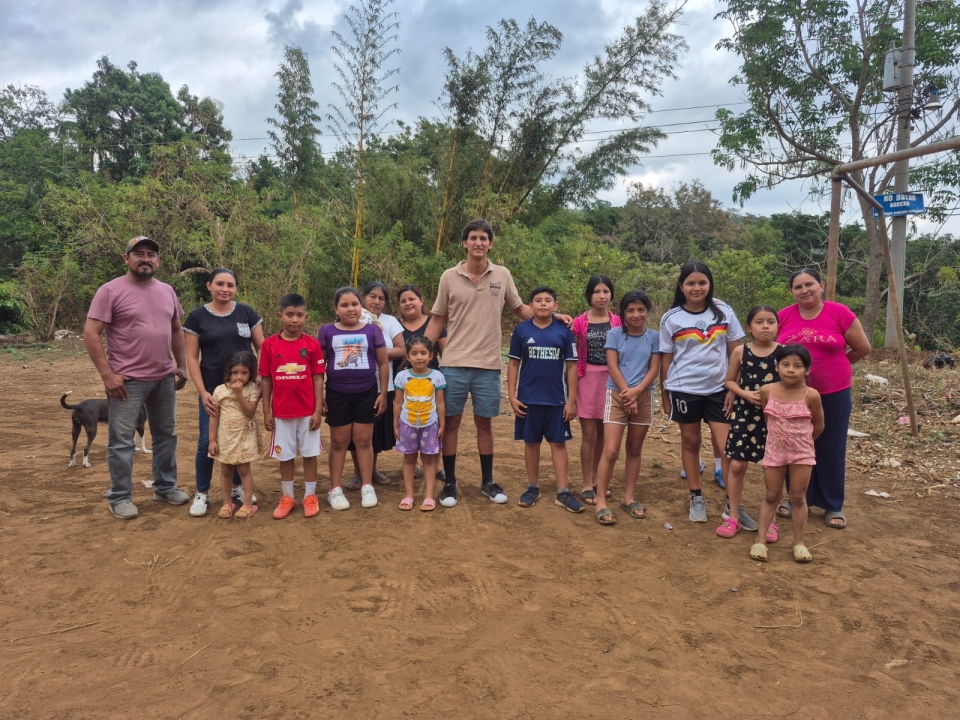
- Children, adolescents, women and men attended fortnightly, age-appropriate sessions on rights, equality, leadership, shared care, responsible fatherhood and alternative masculinities.
- Dialogue, games, role play, theatre, testimonies and didactic gardens supported learning by doing, reflecting and sharing. Safeguarding and do-no-harm principles guided the activities.
- Participants applied and shared their learning through agroecological gardens, water-system care, clean-ups, reforestation and health campaigns.
- FUNDESYRAM staff and Community Extensionists provided field visits, accompaniment and continuous monitoring.
- Coordination with the community association and school and health departments expanded participation, connected families with services and strengthened local ownership.
Challenges
- Entrenched gender norms, unequal care responsibilities and women’s economic dependence limiting participation.
- Very low participation by adult men, with the reasons not documented in the questionnaire.
- Limited evidence showing which methods worked best for different age groups or what behavioural changes lasted.
- Continued need for trained staff, institutional coordination, communication channels and dedicated funding.
Impact
- Greater openness to women’s equal participation and more respectful, non-discriminatory relationships within families and the community.
- Men, boys and adolescents reportedly adopted more equitable attitudes and greater co-responsibility, although concrete examples were not documented.
- Stronger community leadership and coordination with public institutions.
- A staff training plan and broader institutional strategy on gender and child rights within FUNDESYRAM.
Lessons Learned
- Involve several family generations so rights and shared care are applied at home, not only in training.
- Use age-adapted role play, dialogue and testimony to discuss stereotypes and link concepts with daily behaviour.
- Pair local facilitators with safeguarding and gender policies so sensitive sessions follow consistent standards.
- Record behavioural examples and compare responses by age and gender during follow-up.