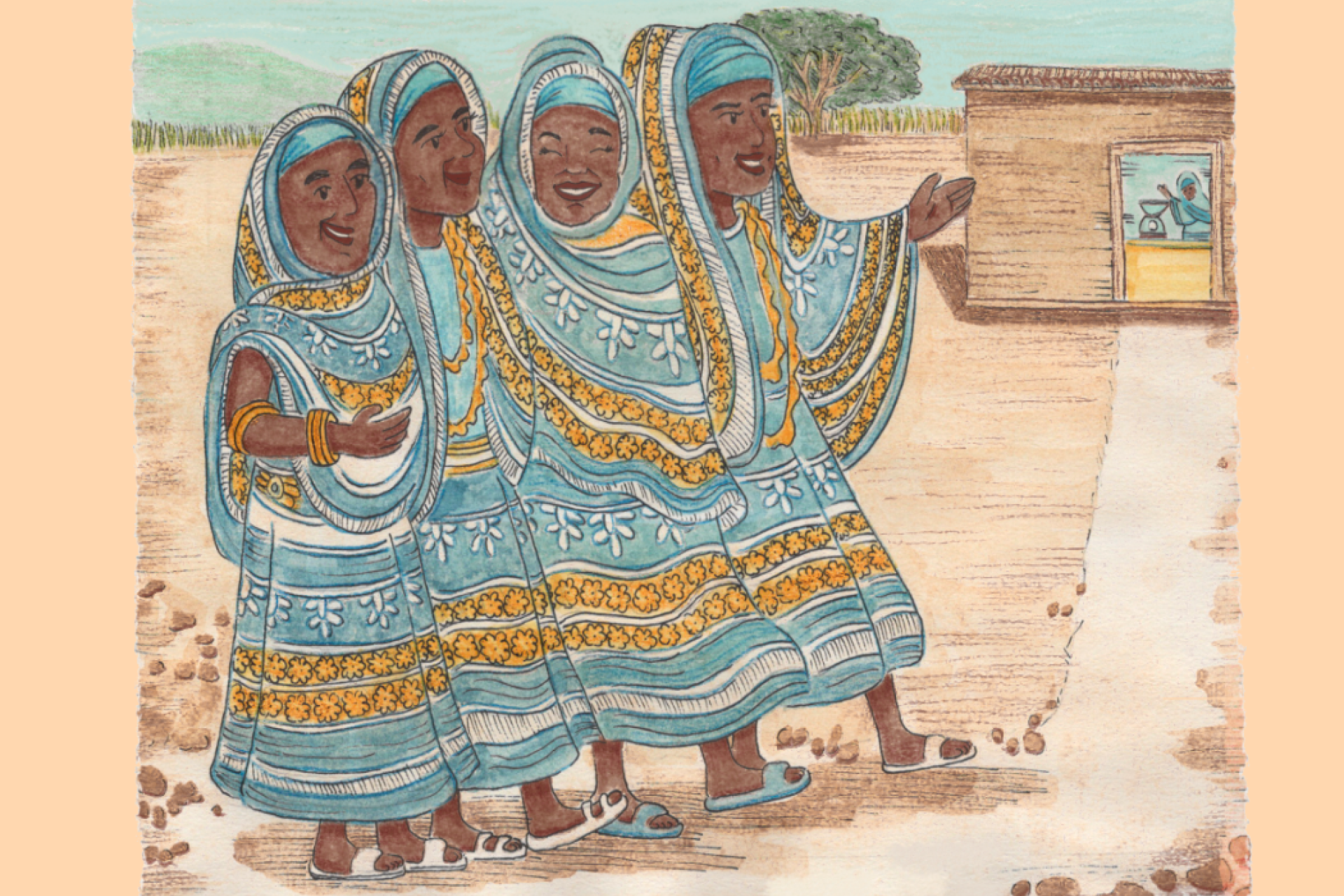
This is the story of Daro Konchoro, the chairlady of the Kenyan Kurkuru Women Group, which came together to turn a challenge into an opportunity and set up their own micro-enterprises.
"Today, we stand here with pride and the knowledge that the limitations of our past no longer bind us".
Daro Konchoro is the chairlady of the Kurkuru Women Group in Marsabit, one of the most arid parts of Kenya. The group comprises 30 women who formed a support network in 2021 to address the vulnerabilities they faced, particularly in the context of the climate catastrophe.
As pastoralism is their community's primary livelihood, the changing climate significantly impacts their lives. Surprisingly, this has also created an opportunity to challenge patriarchal gender roles.
"We were so hungry for change".
In Marsabit, livestock rearing was historically seen as a men’s task. This has become increasingly difficult: prolonged droughts have decimated the herds. This shift has fostered a growing recognition that economic stability requires the combined efforts of both genders, leading women to adopt new income-generating roles.
Traditionally responsible for care work and reproductive household tasks, however, meant that women often lacked a formal education, business and financial skills. Their confidence has been deeply undermined by a social set up that silenced their voices and stifled their potential.
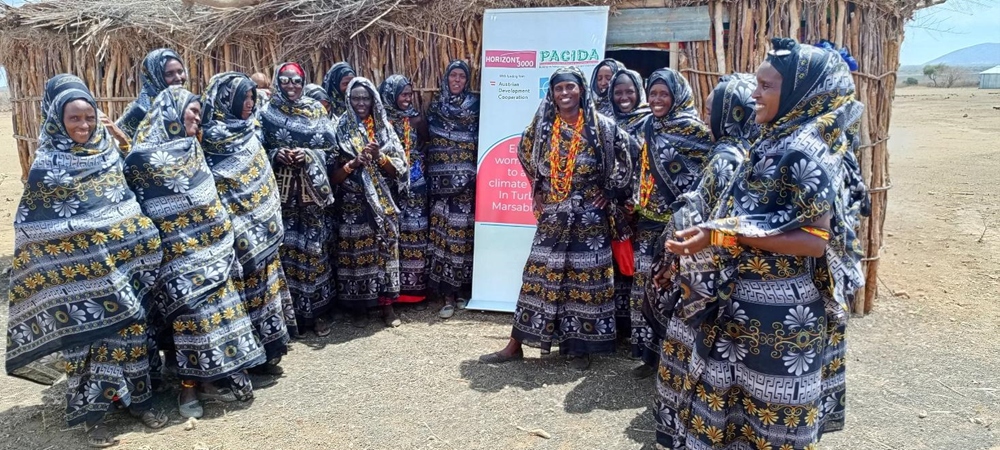
The Kurkuru Women Group
A rocky road
"When we first started, we didn’t believe we could succeed. But as we continued, we learned that it wasn’t about doing everything perfectly. It was about learning, making mistakes, and coming together as a team.”
– Midina, an active member of the Kurkuru Women Group
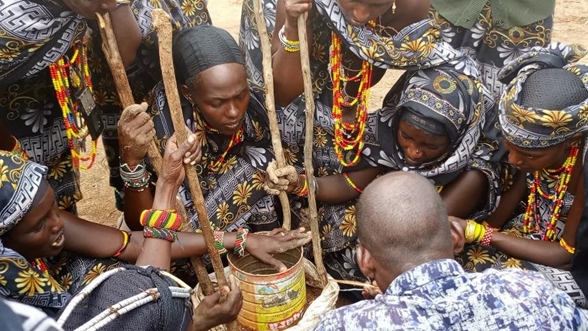
The Group in action
A pastoralist community initiative
This is where the Kenyan NGO PACIDA stepped in. Through their project “Promoting Gender Equality to Enhance Climate Resilience”, they actively engaged the Kurkuru Group by providing a necessary framework for change. PACIDA assisted the collective with official group registration and established linkages to empowerment funds.
Yet the project’s central action were gender-transformative trainings in financial management, equipping the women to lead and manage their collective enterprises and effectively resolve potential conflicts.
"I remember...
...the first time we successfully tracked our expenses and came up with business ideas, everyone was so excited – we saw the fruits of our determination and hard work!"
– Midina, an active member of the Kurkuru Women Group
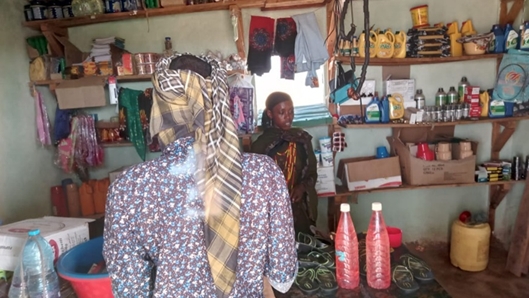
The new shop of the Women's Group
A collective business
Daro and her group quickly adopted collective budgeting and bookkeeping and adapted it to their specific context. By pooling their incremental savings and establishing clear internal management rules, key coordination issues were solved.
At the same time, they applied lessons on group dynamics, leveraging each member’s unique strengths and embracing collective decision-making. This forged the solidarity and synergy needed to run their business.
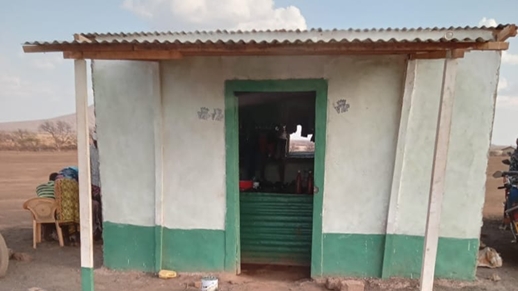
The new shop in Marsabit County
"Our journey...
...has been one of unity, and hope, not just for us but for our community. We mostly sell on credit: the people meet their daily needs and pay us later at their convenience.”
– Daro Konchoro, Chairlady of the Kurkuru Women Group
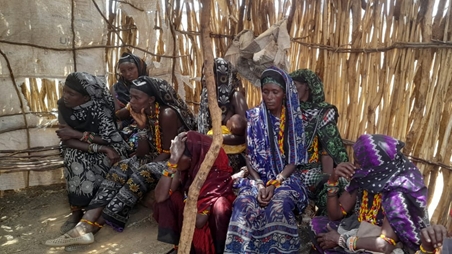
The Women's Group own butchery
“We now have a shop and a butchery that is up and running”
...says Daro, reflecting on the significant change from their previous struggles. They learned to use record keeping to track earnings and confidently manage credit sales. Profits are now reinvested strategically to ensure long-term sustainability and resilience for their families.
More than a source of income, these micro-enterprises are pillars of community support, bridging the gap in essential commodity access. With collective confidence and new financial acumen, the women of the Kurkuru Group have become a model for others.

The Kenyan NGO focuses on the development of (a) sustainable livelihoods, peace and governance, (b) conflict management and peace building, (c) disaster risk management, (d) basic formal and informal education, (e) water, sanitation and hygiene (WASH), and (f) health and nutrition.