Uganda’s decentralized systems of governance require public participation in planning and budgeting and pursuing these aspirations for a democratic and inclusive local governance cannot be achieved single handedly. Youth as defined by the Uganda National Youth Policy (2004) as persons between the age bracket of 15 to 19 years are considered to be one of the most valuable assets for sustainable development in Uganda.
According to the Uganda Bureau of Statistics 2024 census report, 42.6% of the 4,001,528 youth with knowledge, abilities, and skills are not in employment with female youth bearing more brunt as compared to their male counterparts. This is mainly attributed to lack of employable skills, unequal distribution of productive assets like capital and land as well as limited youth focused government programmes.
To address the problem of high rate of unemployment among youth, the government of Uganda operationalized the National Youth policy 2004 by adopting the National Youth Action Plan 2016 with some of the priority areas focused on strengthening youth participation in policy making and implementation and employment promotion.
The Youth Economic Citizenship Building project (YECIB) baseline report 2025 from the 320 youths interviewed in Pakwach and Zombo districts reveals the following about the youth situations in West Nile;
The Agency For Accelerated Regional Development (AFARD) has made significant strides in improving livelihood and empowerment of youth in the West Nile sub region of Uganda. With funding support from European Union, Austrian Development Corporation and DKA Austria, AFARD is implementing YECIB project in Pakwach and Zombo districts. The project was designed through a participatory process involving consultations with local government officials including youth and women councils, private sector and underemployed youth in the informal employments.
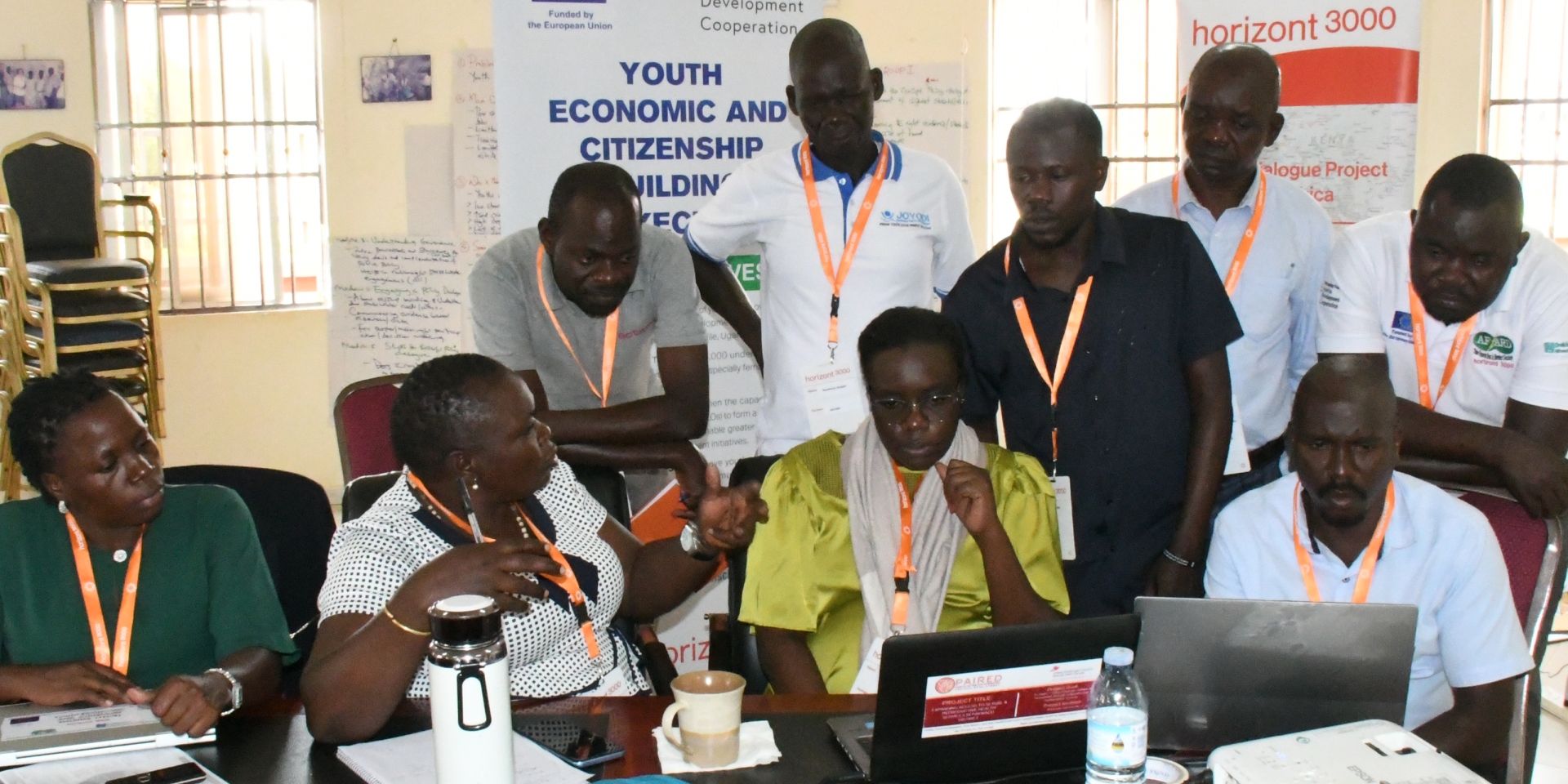
In order to support AFARD in their efforts to promote youth empowerment and participation in policy and development processes, horizont3000 conducted an individual mentorship and coaching session on policy dialogue and budget advocacy held in Nebbi town at AFARD secretariat. The event brought together the 4 youth-led organisations (YLOs) and AFARD project staff as a follow up to the “CSOs and policy dialogue online course” which was completed by a number of youth and AFARD staff.
The four days event took place from 26th to 29th August 2025 facilitated by horizont3000 Project Manager for Policy Dialogue East Africa, Isaac Amuku, with support from the Project Officer for Co-financing and Digitalization, Joel Chemusto.
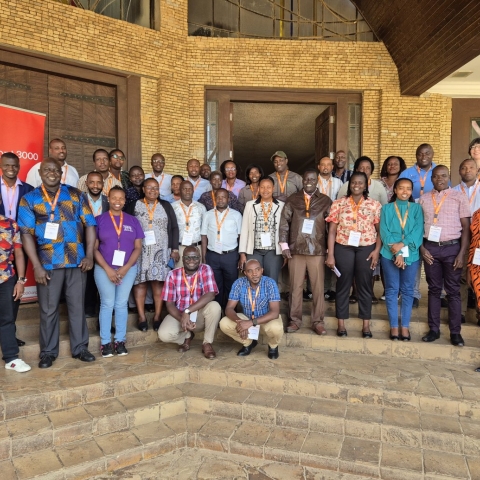
A total of 21 participants (6 female and 15 male) comprising of 17 representatives of youth led organisations and 4 government representatives from Zombo and Pakwach districts attended the event. The district officials who attended the session and those engaged during the excursions at their offices showed great interest in the hands-on learning and committed to support and work collaboratively to achieve the project results.
Policy dialogue is an approach to development which emphasizes long term corporation, relationship building and common understanding between various stakeholders including government officials, private sector and communities. The approach is preferred because it promotes accountability and transparency as well allow inclusive resource mobilization and monitoring involving all actors in the development ecosystem.
Some of the topics covered include:
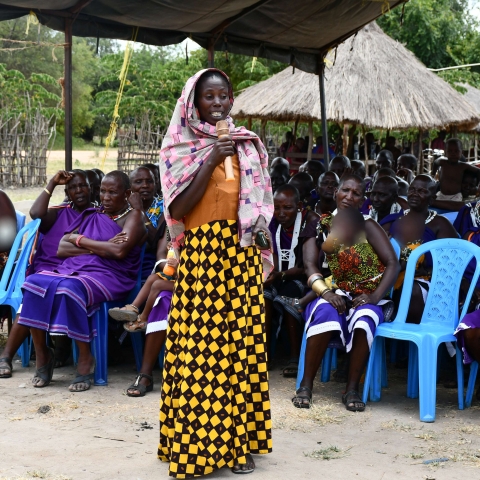
In Uganda, the financial year calendar for the preparation of the district local government budget takes place from August to November and the government through the lower local government was collecting needs and priorities for the communities. At the end of the interactions, participants were more energized and readier to join the budgeting process at Sub County and Parish levels to ensure youth priorities are included in the budget.
Participants most appreciated the opportunity to learn directly from experienced facilitators and to apply new techniques in the field linking theories to field practice. One participant commented:
“The training has been so engaging and practical that it enabled me to understand fully how to work in the YECIB project”
What lies ahead is for AFARD and horizont3000 to further support the participants to develop action-oriented work plans to guide meaningful engagement in budget advocacy work focusing on reducing the high rate of youth unemployment in the project area.
Special thanks to Pakwach and Zombo District Local Government leaders for the warm welcome during the excursions and for committing to ensure meaningful youth participation in development processes. We are also grateful for the generous financial support from the European Union, Austrian Development Corporation and horizont3000 member organisations.