Through the horizont3000 East Africa Advisory Program, communities and institutions across Northern Uganda are gaining more than access to renewable energy. They are gaining the skills, systems, and confidence needed to sustain it.
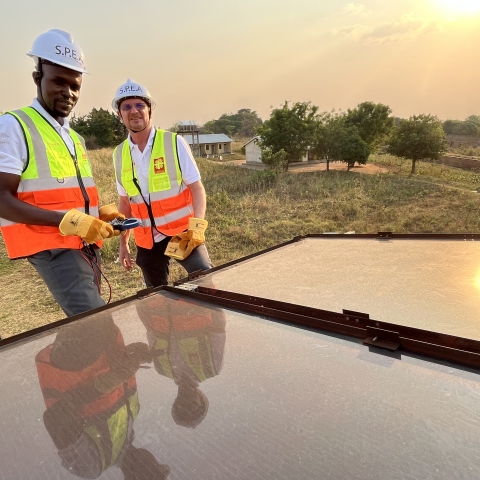
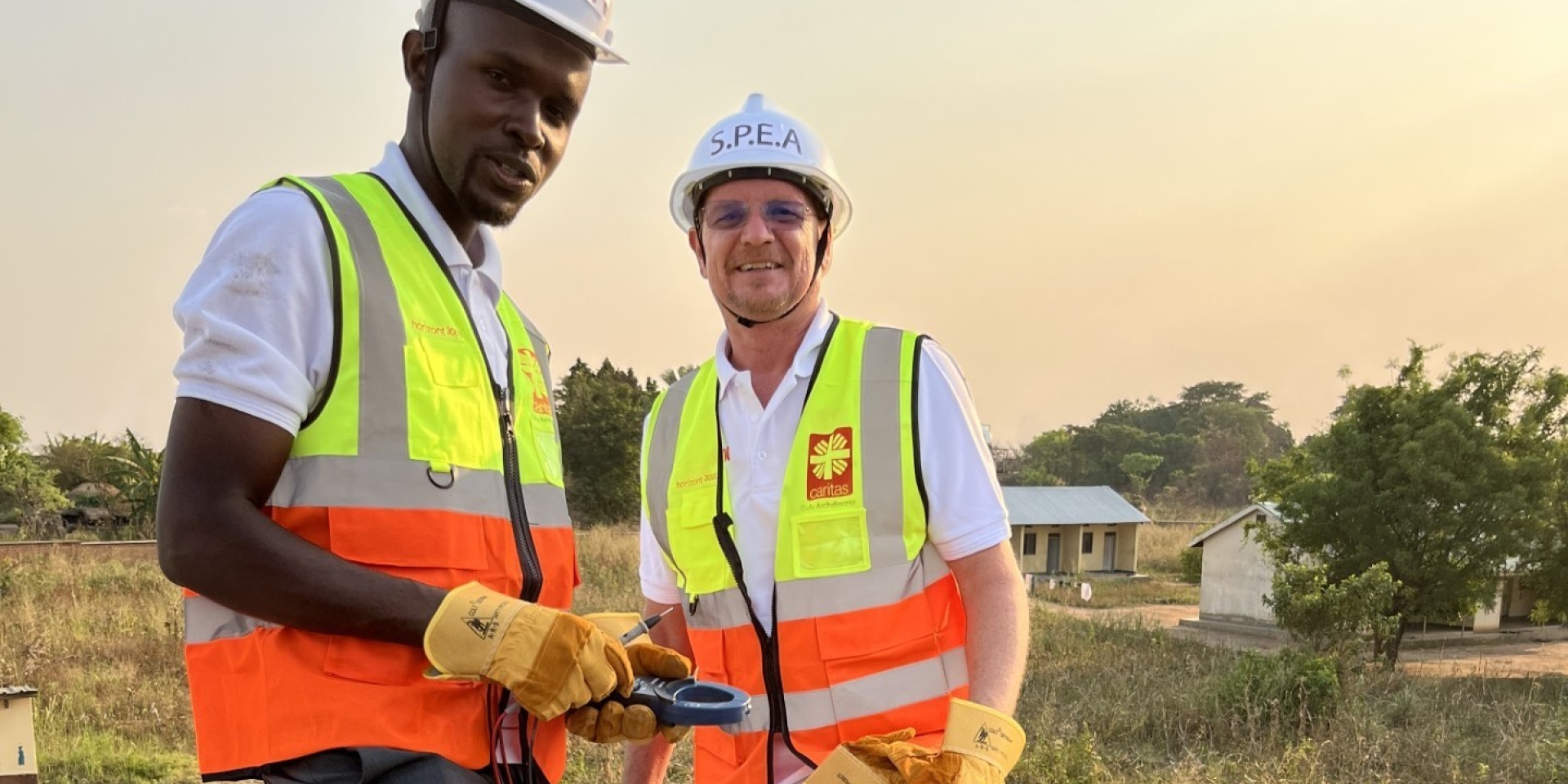
Working with Caritas Gulu Archdiocese under the Solar Pledge East Africa initiative, Technical Advisor Werner Haberzettl, an Expert and Auditor in EDGE Buildings and Green Zero Energy Buildings, has been supporting efforts to improve energy access in schools and health centers while strengthening local capacity to manage renewable energy solutions.
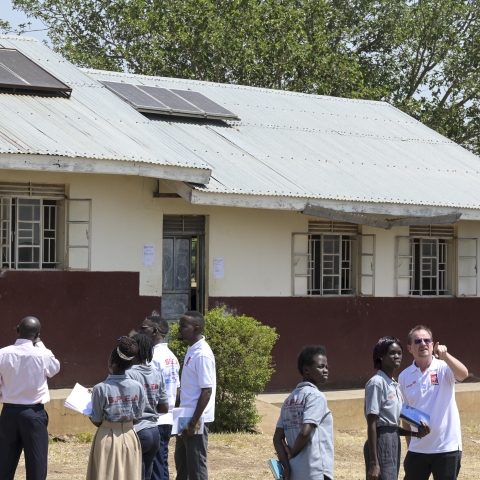
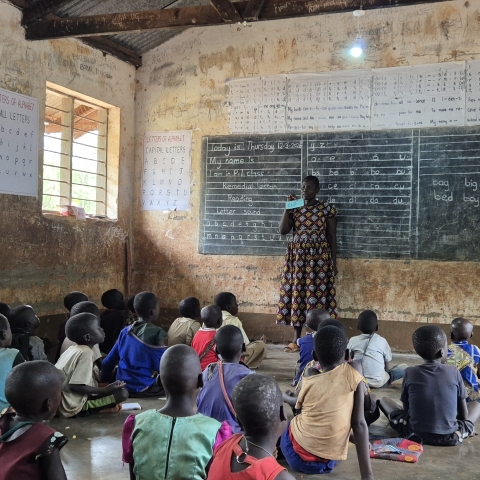
For many institutions in the region, unreliable electricity continues to disrupt learning and healthcare delivery. Although solar technology is widely available, it is often viewed as costly, unreliable, or difficult to maintain. Through the advisory placement, Werner worked closely with his counterpart Barnabas and diocesan teams to bridge this gap by combining technical expertise with practical learning.
Through hands-on trainings and continuous mentorship, diocesan staff and health center caretakers gained a deeper understanding of how solar photovoltaic systems work, their benefits, their limitations, and how to maintain them effectively. This knowledge transfer has helped build local ownership and confidence in renewable energy solutions.
A key strength of the advisory program is its focus on partnership rather than implementation alone. With guidance from the Technical Advisor, institutions under the Archdiocese actively participated in identifying their energy challenges and developing solutions that respond to their realities. Workshops and stakeholder engagements created space for dialogue, collective decision-making, and long-term planning. This process culminated in the development of a draft Archdiocesan Energy Sustainability Strategy, providing a framework for future investments and interventions.
The advisory support also strengthened organizational planning and decision-making. Faced with high demand and limited resources, the team introduced a transparent selection process for beneficiary institutions. Criteria such as geographical balance, number of beneficiaries, and environmental impact ensured that available resources were allocated fairly and strategically.
The results demonstrate the value of technical advisory support. More than 90 institutions have undergone energy assessments, while 45 existing solar systems have been evaluated to identify repair and upgrade needs. In the first phase, 10 schools and health centers were selected to receive new, repaired, or upgraded solar systems, all of which are now fully operational. Staff from these institutions have also been trained in system operation and maintenance, helping ensure sustainability long after the installations are completed.
Beyond the infrastructure improvements, the advisory placement has fostered a culture of learning and collaboration. The close working relationship between Werner and local teams has enabled continuous knowledge exchange, strengthened problem-solving capacity, and accelerated implementation. Most importantly, it has left behind skills and systems that will continue to benefit institutions well into the future.
The experience highlights the unique value of the horizont3000 East Africa Technical Advisor Program. By embedding experienced advisors within partner organizations, the program goes beyond delivering projects. It strengthens local expertise, supports institutional development, and helps communities create lasting solutions to the challenges they face.
In Gulu, the impact can already be seen. Schools have more reliable power. Health centers can better support patients. Local teams are better equipped to manage renewable energy systems, and institutions are increasingly able to chart their own path towards a more sustainable future.