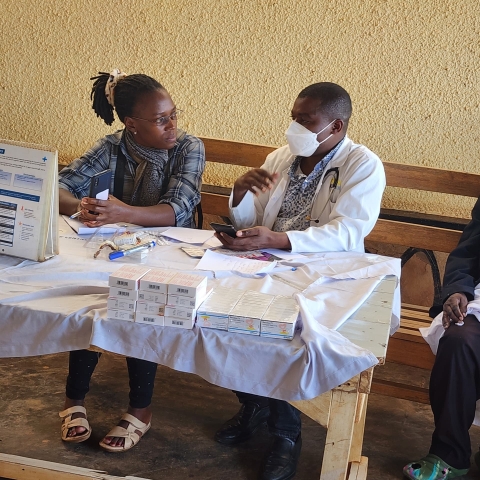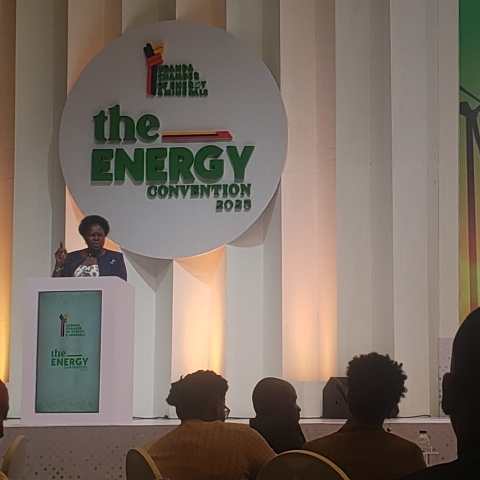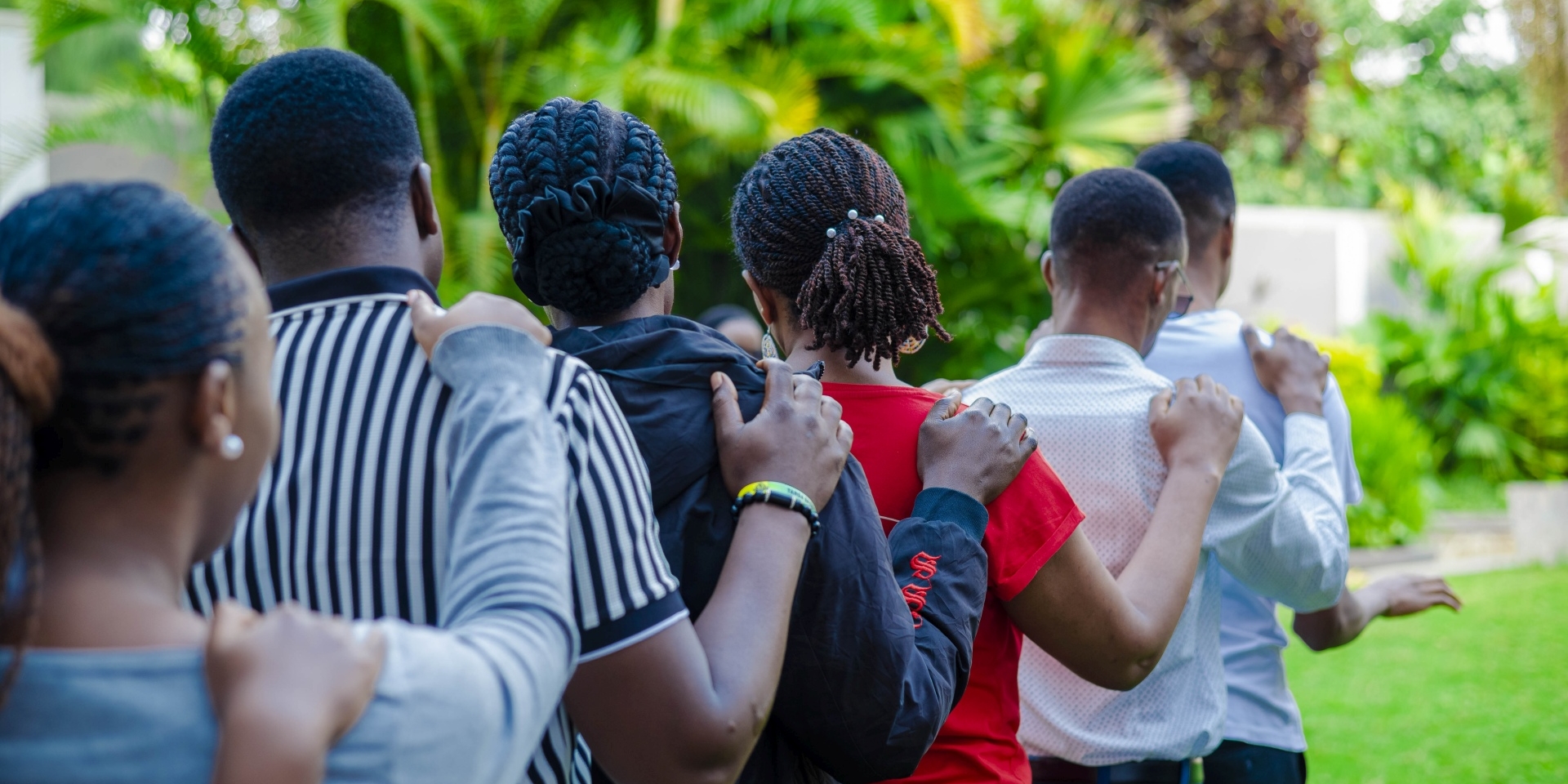
Gender-based violence (GBV) and the question of how to engage men and boys (EMB) as allies for gender equality are tightly linked in everyday project work. If harmful norms stay untouched, prevention efforts stall. If men and boys are ineffectively engaged, interventions can create backlash. In 2025, horizont3000 and its partner organisations tackled both topics together through two regional workshops: 4–8 August in Kampala (Uganda) for partners from Uganda, Kenya and South Sudan, and 1–5 September in Arusha (Tanzania) for partners in Tanzania.
The trainings focused on what partner teams actually need in their work: strengthening understanding of GBV (causes, consequences, and the role of social norms), improving prevention and risk mitigation approaches, clarifying survivor-centred response and referral thinking, and building practical, principled ways to engage men and boys as allies for gender equality.
What made these trainings particularly valuable was not only what was covered, but also how the process was organised.
Both workshops were facilitated not only by horizont3000 experts Maureen Obbayi (International Gender Expert) and Patricia Nyasuna (Gender Focal Point) but also by Action for Development (ACFODE), a horizont3000 partner organisation that led the core sessions.
In 2025, ACFODE began activities as Gender Light House Organisation (GLO) for horizont3000 partners in Uganda, Tanzania and Kenya. Bringing more than 40 years experiences in women’s rights practice into the network, the GLO is currently sharing its knowledge via a pilot package that includes peer exchange, mentorship, and gender policy support.
In short: these trainings were not “bought in”. They were an example of partner expertise being mobilised for other partners – and that changes the tone. Learning becomes more grounded, more contextual, and easier to translate into day-to-day work. This reflects the learning & sharing logic of our knowhow3000 programme: turning experience within the partner network into shared capability through structured learning and sharing formats.
Across both locations, the emphasis stayed practical:
The point was not to create GBV specialists overnight. It was to strengthen judgement, language, and practical steps – so that everybody can make better decisions concerning GBV.
Participants also shared personal experiences of how they have seen change in harmful social norms and masculinity in their family:
“My grandma was kidnapped (for marriage), my mother was also kidnapped, but I didn’t abduct my wife for marriage”. – Male participant
“In South Sudan, to be a girl is to suffer. You can be married off as a child to an old man so that the family can get cows. Girls are often captured and raped during the conflicts and even if you report to UN, they can do nothing. Now us who are educate and have jobs, they say we are not good for marriage”. – Female participant
“It’s not a bad thing to work with men. My background has been that we don’t engage men. When I go back, I will be flexible in terms of how to engage with men”. – Female participant.
A strong workshop is a start, not an endpoint. The GLO model reflects this by linking trainings with peer exchange, mentorship and policy support, so learning can continue once teams return to their everyday work.
If the pilot phase works as intended, the longer-term result will be partner organisations that are better equipped to prevent harm, respond responsibly, and engage men and boys in ways that support gender equality – across projects where GBV might otherwise remain “everywhere” and yet unaddressed.