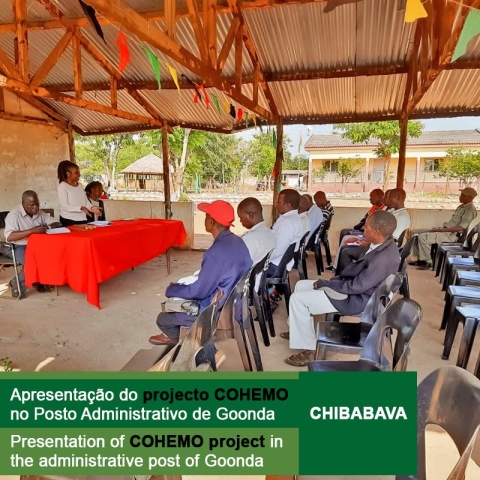
S.O.L.A.R. (Sustainable Opportunities for Learning, Autonomy and Resilience) promotes a just, inclusive, and sustainable energy transition in rural districts of Búzi and Machanga, Sofala Province, Mozambique.
The project will directly involve 3,646 individuals (55 % women). Indirectly, it will involve 14,584 people in rural Sofala.
Rural communities in the districts of Búzi and Machanga, Sofala Province, Mozambique, face major challenges in accessing sustainable and reliable energy. Most households rely on non-renewable biomass? such as firewood and charcoal for cooking, contributing to deforestation, environmental degradation, and indoor air pollution risks, especially for women and children. Electricity access remains limited and is often hardly enough for basic uses like mobile phone charging. Inefficient energy practices and unnecessary consumption persist due to limited awareness and lack of technical knowledge. Despite abundant solar potential, communities have little exposure to clean energy technologies, particularly decentralized solar systems, and there is minimal local capacity for installation or maintenance. Structural barriers, including high upfront costs and weak supply chains, further limit adoption. As a result, livelihoods, economic opportunities, and climate resilience remain constrained, highlighting the need for inclusive, community-based clean energy solutions and long-term sustainability goals.